Health And Wellness Affiliate Programs · July 1, 2026
15 Best Health and Wellness Affiliate Programs for 2026
Discover 15 high-paying health and wellness affiliate programs for 2026. Earn up to 50% commission with brands like Mindvalley, Noom, and AG1. Realistic income tips inside.
By Keana Spencer
The health and wellness industry is not just growing, it is accelerating. Whether you are a blogger, YouTuber, or social media creator, finding the right health and wellness affiliate programs is the first step to building a sustainable income stream in 2026. But with so many options promising high payouts, how do you know which ones are actually worth your time, and which ones pay enough to replace a full-time income? This guide cuts through the noise. We have vetted the top programs by commission rates, cookie duration, and niche relevance, and we are answering the hard questions about income ceilings and legal risks that most listicles ignore.
Table of Contents
- Why Health and Wellness Affiliate Marketing Is a Goldmine in 2026
- How to Choose the Right Program (A 3-Step Vetting Framework)
- Top 15 Health and Wellness Affiliate Programs for 2026
- Highest-Paying Programs Compared (Up to 50 Percent Commission)
- Can You Really Make $10,000 a Month? (Realistic Benchmarks)
- Legal and Compliance Must-Knows for Health Affiliates (2026 Update)
- Frequently Asked Questions
- Conclusion and Next Steps
Why Health and Wellness Affiliate Marketing Is a Goldmine in 2026
The earning potential in this niche is not theoretical. Affiliates in the health and fitness space currently average $8,038 per month, a figure that puts this vertical far ahead of general lifestyle or tech blogging. That number is not reserved for celebrities with millions of followers; it reflects a broad ecosystem where micro-influencers with engaged audiences can earn substantial income by recommending products their readers already want.
The momentum behind this market is equally compelling. The online fitness sector alone is projected to grow at 30 percent annually from 2026 to 2031, according to Mordor Intelligence. That kind of sustained expansion means the audience pool is deepening, not just widening. New consumers are entering the market every month, searching for supplements, workout gear, meditation apps, and telehealth solutions.
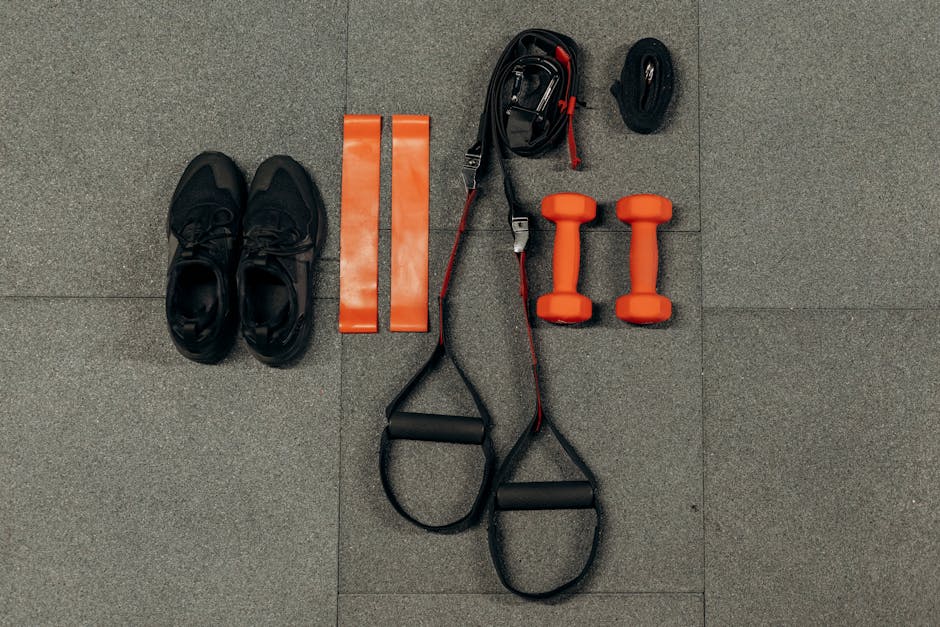
Seasonality also works in your favor. The health niche experiences two major spending peaks that many creators fail to plan for. The first hits in January, driven by New Year resolutions and a collective desire for a reset. The second arrives in late spring, as people prepare for summer travel, weddings, and beach season. Structuring your content calendar around these windows can double or triple your earnings during those months.
One critical distinction to understand early is the gap between physical and digital commissions. Physical products like dumbbells or protein powder, often promoted through Amazon Associates, pay a slim 1 to 10 percent. Digital offers, such as online courses, coaching certifications, and subscription apps, routinely pay 30 to 50 percent. The difference on a $200 sale is $2 versus $100 in your pocket. Knowing this shapes which programs you prioritize.
How to Choose the Right Program (A 3-Step Vetting Framework)
A list of programs is useless without a method for picking the right one. Before you sign up for anything, run each opportunity through this three-step filter.
Step 1: Audience Fit First
The highest commission in the world means nothing if your audience will not buy. A yoga instructor with a following interested in mindfulness and flexibility will struggle to sell bodybuilding supplements, no matter how good the payout. Conversely, a strength coach recommending meditation apps may confuse an audience looking for deadlift cues. Map your content categories to the program categories. If you create content about nervous system regulation and trauma-informed movement, your audience will respond to digital courses and wellness retreats, not pre-workout powders.
Step 2: Brand Quality and Compliance
This is where most affiliate guides fall silent, and it is the step that protects your reputation. The health space is heavily regulated by the FDA and FTC. Promoting a supplement that makes unsubstantiated claims, such as promising to cure a disease or deliver dramatic weight loss without lifestyle changes, exposes both the brand and you to legal liability. Vet every program. Look at their marketing language. If a brand uses "magic pill" rhetoric or before-and-after photos that seem exaggerated, walk away. Your audience trusts you. Breaking that trust for a commission check is a career-ending move.
Step 3: Financial Terms Deep Dive
Not all commissions are created equal. A 40 percent commission on a $50 product is $20. A 10 percent commission on a $2,000 treadmill is $200. Look beyond the percentage. Examine the cookie duration, the window of time after a click during which you still get credit for the sale. A 30-day cookie is standard, but some programs offer 90-day or even lifetime cookies. Also check the payout threshold. Some programs require you to earn $100 before they cut a check; others pay out at $25. If you are just starting, a high threshold can delay your first payday by months.
Bonus: The No-Audience Starter Path
If you have zero followers, zero subscribers, and zero traffic, start with a platform that has built-in discovery. Pinterest functions as a visual search engine where new pins can gain traction for months. Target long-tail keywords like "best yoga mat for lower back pain" rather than "yoga mat." Write one in-depth review, pin it, and let the algorithm work. Simultaneously, pitch a guest post to an established health blog in your niche. One well-placed article can generate your first hundred email subscribers, and an email list converts far better than social media followers ever will.
Top 15 Health and Wellness Affiliate Programs for 2026
1. Mindvalley (Personal Growth and Wellness)
Commission: 40 to 50 percent per sale. Cookie: 30 days. Best for: spiritual, self-help, and personal development creators.
Mindvalley offers high-ticket online courses and live events focused on mindset, wellness, and human potential. Their sales funnels are polished and optimized for conversion, which means your traffic has a higher likelihood of turning into commissions. This program resonates especially well with audiences interested in nervous system healing and trauma-informed growth, niches where the Blair Nicole research shows a hunger for alternatives to toxic positivity and diet culture.
2. Skillshare (Online Learning)
Commission: $67 flat rate per premium signup. Cookie: 30 days. Best for: educational content creators and tutorial-based channels.
Skillshare sits at the intersection of learning and wellness, with thousands of classes on productivity, creativity, and stress management. The flat-rate structure is appealing because your earnings do not depend on the customer's purchase price. One signup equals a predictable $67, making income forecasting straightforward.
3. Tripaneer (Wellness Retreats and Travel)
Commission: 8 to 15 percent. Cookie: 30 days. Best for: travel bloggers, yoga instructors, and retreat reviewers.
Wellness retreats carry high average order values, often exceeding $500 per booking. Even at 8 percent, a single retreat sale can net you $40 or more. If your content covers yoga teacher training, surf camps, or meditation getaways, Tripaneer is a natural fit.
4. Blair Nicole Coaching Programs
Commission: Up to 50 percent, approximately $75.60 per sale. Cookie: Lifetime. Best for: female-focused wellness and anti-diet culture niches.
This program stands out for its values-aligned approach. Blair Nicole's courses emphasize self-compassion and reject the diet-culture narratives that saturate the wellness industry. The lifetime cookie is a rare and valuable feature. If someone clicks your link and purchases six months later, you still earn the commission.
5. GNC (Supplements)
Commission: 5 to 10 percent. Cookie: 30 days. Best for: fitness and bodybuilding audiences.
GNC is a recognized brand with high consumer trust. While the commission percentage is modest, the conversion rate benefits from brand familiarity. Customers who might hesitate to buy from a lesser-known supplement company often feel comfortable purchasing from GNC.
6. NordicTrack (Fitness Equipment)
Commission: 8 to 15 percent. Cookie: 30 days. Best for: home gym reviewers and equipment comparison sites.
Treadmills, bikes, and rowing machines carry price tags from $1,000 to $3,000. A single sale at 10 percent can yield $100 to $300. The key is creating detailed comparison content that helps buyers choose between models.
7. iHerb (Vitamins and Natural Products)
Commission: 3 to 10 percent. Cookie: 30 days. Best for: general health and nutrition bloggers.
iHerb stocks a massive inventory of vitamins, supplements, and natural beauty products. The wide product range means you can link to relevant items across nearly any health subtopic, from prenatal vitamins to vegan protein powder.
8. Noom (Weight Management and Mental Health)
Commission: $30 to $50 per sale. Cookie: 30 days. Best for: psychology, habit-building, and weight loss content.
Noom differentiates itself by focusing on the psychology of eating rather than restrictive dieting. If your content explores behavior change, emotional eating, or sustainable weight management, Noom aligns with that message.
9. Athletic Greens (AG1) (All-in-One Nutrition)
Commission: 30 percent recurring. Cookie: 90 days. Best for: podcasters and long-form reviewers.
The 90-day cookie is generous, and the recurring commission structure means you earn every month a customer stays subscribed. Podcasters have found particular success with AG1 because the product integrates naturally into health and performance conversations.
10. Daily Harvest (Meal Delivery)
Commission: $10 to $20 per sale. Cookie: 30 days. Best for: food, recipe, and convenience niche creators.
Daily Harvest delivers plant-based, pre-portioned meals that require minimal preparation. The visual appeal of their products performs well on Instagram and TikTok, where food content thrives.
11. Calm (Meditation and Sleep)
Commission: 30 percent recurring. Cookie: 30 days. Best for: mental health and mindfulness channels.
Calm is one of the most recognized meditation apps globally. The recurring commission model rewards you for each renewal, not just the initial signup. Content about sleep hygiene, anxiety reduction, and meditation routines pairs naturally with this program.
12. Beachbody (Fitness Programs and Supplements)
Commission: 25 percent on subscriptions. Cookie: 30 days. Best for: home workout and transformation story content.
Beachbody has a built-in community and recognizable program names like P90X and Insanity. If your content features workout reviews, progress updates, or transformation stories, this program converts well.
13. Ro (Telehealth and GLP-1)
Commission: High-ticket recurring, up to $100 or more per signup. Cookie: 30 days. Best for: health optimization and longevity niches.
Ro represents a trending, high-value sub-niche that few affiliate guides cover. Their telehealth platform connects patients with providers for GLP-1 medications, hormone replacement therapy, and other treatments. The recurring revenue model and high per-signup value make this one of the most lucrative programs available, provided your audience is interested in metabolic health and longevity science.
14. Amazon Associates (General Health Products)
Commission: 1 to 10 percent. Cookie: 24 hours. Best for: beginners with no audience.
The commission rate and cookie window are the worst on this list, but the barrier to entry is zero. Almost everyone gets approved, and Amazon's conversion rate is unmatched. Use this program to learn the mechanics of affiliate marketing. Once you understand what your audience buys, graduate to higher-paying programs in those specific categories.
15. ShareASale and CJ Affiliate (Network Aggregators)
Commission: Varies by program. Cookie: Varies. Best for: creators who want to compare hundreds of programs in one dashboard.
Rather than applying to individual programs one by one, networks like ShareASale and CJ Affiliate give you access to dozens of health and wellness brands from a single account. You can filter by commission rate, EPC (earnings per click), and category. This fills a major gap in most affiliate guides, which list individual programs but never explain how to efficiently browse and compare options at scale.
Highest-Paying Programs Compared (Up to 50 Percent Commission)
If your primary goal is maximizing commission per sale, five programs rise to the top. Mindvalley leads with a flat 50 percent on digital courses. Blair Nicole Coaching matches that rate and adds a lifetime cookie. Athletic Greens offers 30 percent recurring, which compounds over months. Ro provides the highest potential per signup, with telehealth services generating $100 or more per conversion. Skillshare rounds out the top tier with a reliable $67 flat rate per signup.
The highest flat-rate commission belongs to Mindvalley at 50 percent. However, the highest potential earnings per customer likely come from Ro, where a single telehealth signup can exceed $100 and renew monthly. The trade-off is conversion difficulty. Digital courses require a warmer, more trusting audience. Physical products and Amazon links convert more easily but pay far less. A balanced affiliate strategy includes both high-commission digital offers and lower-commission, high-conversion physical products.
Can You Really Make $10,000 a Month? (Realistic Benchmarks)
The $8,038 monthly average proves that five-figure months are possible, but they are not automatic. Let us break down the math. To earn $10,000 promoting a $200 digital course at a 40 percent commission, you need 125 sales per month. At a 2 percent conversion rate, that requires 6,250 targeted visitors monthly. Achievable for established sites, but a stretch for beginners.
The faster path runs through high-ticket items. Ten Ro telehealth signups at $100 each plus twenty Mindvalley course sales at $80 each equals $2,600. Add recurring commissions from Athletic Greens and Calm subscribers, and the numbers compound. The creators hitting $10,000 months typically have multiple programs running simultaneously, an email list they nurture weekly, and content that ranks for buyer-intent keywords.
Challenges are real. Competition in the health niche is intense. Compliance missteps can get your affiliate accounts banned. Most affiliates earn nothing for the first three to six months. The programs are worth it if you treat affiliate marketing as a business, not a lottery ticket. Choose a specific sub-niche, build trust, and stay compliant.
Legal and Compliance Must-Knows for Health Affiliates (2026 Update)
The FTC requires clear and conspicuous disclosure of affiliate relationships. A small "affiliate link" note buried at the bottom of a post is not sufficient. Your disclaimer must appear before the link, and the language must be unambiguous. Phrases like "I may earn a commission if you purchase through this link" work. Hiding the disclosure in a sea of text does not.
The FDA regulates health claims. You cannot say a supplement "cures anxiety" or "treats depression" unless the product has undergone FDA approval as a drug. Stick to structure-function language: "supports a calm mood" or "promotes relaxation." Even then, verify that the brand you are promoting uses compliant language on their own site. If their sales page makes illegal claims, your link to that page implicates you.
Cookie duration affects your earnings more than most new affiliates realize. The industry standard is last-click attribution, meaning the most recent affiliate link clicked before purchase gets the credit. If a reader clicks your link, leaves, and then clicks another creator's link two weeks later before buying, the second creator earns the commission. Longer cookie windows, like the 90-day period from Athletic Greens or the lifetime cookie from Blair Nicole, protect you from losing sales to last-click poaching.
International affiliates should verify program availability. Many US-based programs, including Ro and Noom, do not operate in other countries. If your audience is global, check each program's geographic restrictions before building content around it.
Frequently Asked Questions
What is the best wellness affiliate program for beginners?
Amazon Associates and Skillshare offer the lowest barriers to entry. Amazon approves most applicants and sells everything, letting you experiment with different product categories. Skillshare provides a clear $67 per signup with a straightforward application process.
What is a good commission rate for health affiliates?
For digital products like courses and apps, target 20 percent or higher. For physical goods like supplements and equipment, 10 percent or above is competitive. Anything below 5 percent on physical products should be a hard pass unless the conversion rate is exceptional.
How do I start health affiliate marketing with no audience?
Begin with Pinterest SEO and YouTube Shorts, both of which can generate traffic without an existing following. Write one detailed, helpful review post targeting a specific long-tail keyword. Pitch a guest post to an established health blog in your niche to capture early email subscribers.
Are health affiliate programs worth it in 2026?
Yes, with conditions. The market is growing, and high-ticket sub-niches like GLP-1 telehealth, mental health apps, and home fitness equipment are expanding rapidly. Success requires choosing a specific niche, following FTC and FDA compliance rules, and committing to a six-month ramp-up period before expecting consistent income.
Conclusion and Next Steps
The health and wellness affiliate landscape in 2026 rewards creators who match programs to their audience, prioritize compliance, and diversify their income streams. If you want the highest possible commission per sale, start with Mindvalley. If you prefer predictable recurring revenue, Athletic Greens and Calm are your best bets. If you are brand new with no audience, open an Amazon Associates account today and publish your first review.
Pick one program from this list. Create one piece of content around it, whether that is a blog post, a YouTube video, or a Pinterest pin. Track your clicks and conversions for 30 days. The data you gather in that first month will teach you more than any guide ever could. For ongoing support, connect with other affiliates in communities like the Reddit health affiliate threads, where real creators share what is working right now.